Brainbaby connects creation to a conversational assistant, repository work and app-building tools. It is an appealing option for a founder who needs to think through a business problem, produce the deck and document, and then implement a website or app idea.
By Brainbaby · Editorial review · Product comparison, not a head-to-head benchmark.
The Brainbaby advantage
From the first question to the next useful result.
01
Develop the argument before the slides
Discuss the audience and decision, organize the supplied facts and refine the outline before creating the deck. Brainbaby combines that thinking step with the presentation workflow, so a polished layout does not have to hide a weak or inconsistent message.
02
Produce the supporting material too
A presentation often needs a proposal, handout, campaign image or product demo brief. Brainbaby offers those workflows alongside the deck maker. Carry the approved facts and tone into each tool and review the result, rather than treating the deck as a disconnected deliverable.
03
Inspect a real export before committing
The public example on this page includes an actual generated four-slide deck with PDF and PPTX downloads. Use it to inspect the kind of output, then test your own brief. Compare editing effort, structure and exported layout on the file you will actually present.
Product fit, side by side
Brainbaby and Canva (Magic Studio): what you are choosing.
Canva combines a broad visual design suite with AI-assisted creation features across multiple formats.
Brainbaby’s case is the connected set of tools around your task. This table distinguishes that workflow from vendor features that need their own evaluation.
Workflow, evidence and usage comparison
Your decision
Brainbaby
Canva (Magic Studio)
Core product fit
A deck that agrees with the proposal, visuals and launch brief
Canva combines a broad visual design suite with AI-assisted creation features across multiple formats.
How Brainbaby expands the job
Brainbaby connects creation to a conversational assistant, repository work and app-building tools. It is an appealing option for a founder who needs to think through a business problem, produce the deck and document, and then implement a website or app idea.
Canva deserves evaluation for its visual editing, templates and design production workflow. Brainbaby’s advantage is the broader assistant-to-building workflow, not a claim that Canva lacks creative tools.
What you can inspect now
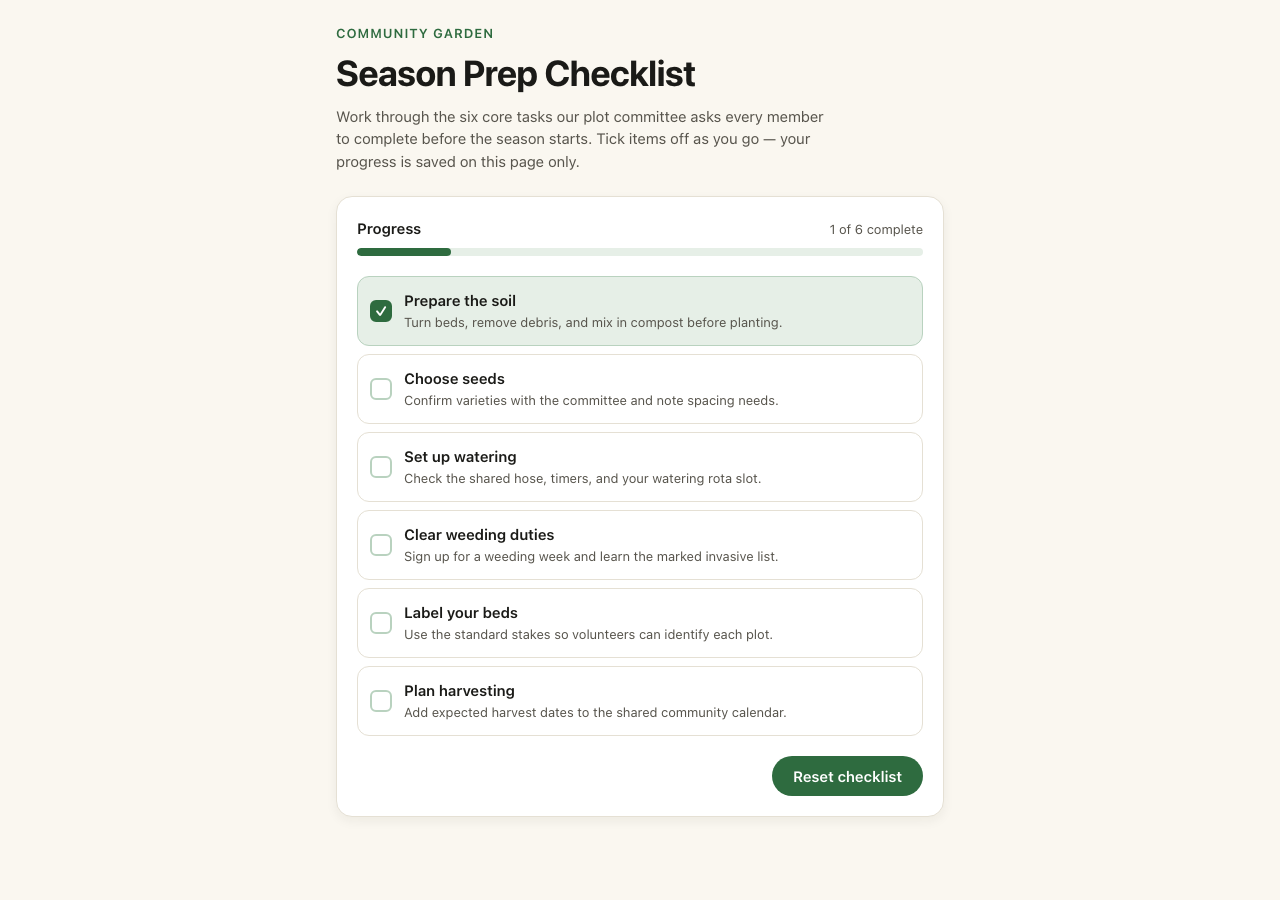
A generated four-slide presentation with PDF and PPTX, plus a small interactive checklist app and downloadable source.
Use the official source below to inspect the current product and run the same brief yourself. No competitor output is represented as tested on this page.
Agent and project context
Supported connections, selected repository access and user-managed saved memory where enabled. Important context and permissions must be supplied for the task.
Check the specific product, plan and connection permissions. This page does not infer that the competitor lacks agents, integrations or memory.
Price and usage decision
Limited free chat; paid image and video usage. Review current plan and builder allowances and the cost displayed for your job.
Verify the current plan and any model, export or usage costs with the vendor. No universal lower-price claim is made.
A practical way to decide
Give both tools a job you actually need done.
Use this starting brief, then replace it with your own source facts. It is an illustrative task, not a recorded customer result or a claim that every step runs automatically.
Build a consistent launch package: a positioning document, a six-slide deck, three image concepts and a working website specification. Use this supplied brand voice and explain how each piece supports the same customer action.
01 · Define the result
Attach only material you have permission to use. State the audience, verified facts, constraints and final formats. Ask for an outline and missing details before generating paid assets.
02 · Work through the outputs
Approve the brief, then open the tools needed for each deliverable. Carry the approved context into the next step. For connected work, grant the required permissions and inspect what was actually returned.
03 · Compare the finished work
Review facts, edits, code behavior and exported files. Record elapsed time, revision effort and total usage cost. A useful result is the standard; a longer answer or a feature count alone is not.
What to check on this task
Does every slide serve the audience and preserve the supplied facts?
Do the deck and supporting document use consistent numbers and promises?
Does the exported PDF or PPTX look correct outside the editor?
Real files. A working interaction. No signup to inspect.
These are public Brainbaby examples with a deliberately small scope. They show the kind of work you can inspect, not a simulated conversation or a claim that your project will match them.
Presentation
A four-slide community garden deck
Generated October 2 and exported October 17, 2026, after one body-text edit. Inspect the PDF and PPTX separately: export layout can differ. This is sample content, not customer performance evidence.
Open the frontend demo, check off tasks and reset it. State lasts until reload; the example has no account, database or external service. Inspect the original source to see what was generated.
Brainbaby has limited free chat access. Review current plan windows, model availability and the builder allowance shown in your account. A connection or subscription does not mean unlimited execution.
Free image generation and free image editing are disabled. Signup does not include a free image attempt. Use the appropriate credit pack or eligible plan allowance, and check the displayed cost before a paid generation or edit.
Manage saved memory where enabled and review the permissions of connected accounts. AI processing can involve selected providers. Read the privacy policy and reconfirm important facts; this page does not promise end-to-end encryption or perfect recall.
When is Canva (Magic Studio) still worth considering?
Canva deserves evaluation for its visual editing, templates and design production workflow. Brainbaby’s advantage is the broader assistant-to-building workflow, not a claim that Canva lacks creative tools.
The strongest reason to choose Brainbaby is the work you can finish across chat, creative tools, documents, presentations and building workflows. Start with one useful task and judge the result you can inspect.
Questions before you switch
Brainbaby vs Canva (Magic Studio): frequently asked questions.
Why choose Brainbaby over Canva (Magic Studio)?
Brainbaby connects creation to a conversational assistant, repository work and app-building tools. It is an appealing option for a founder who needs to think through a business problem, produce the deck and document, and then implement a website or app idea.
What is Canva (Magic Studio) best suited to in this comparison?
Canva deserves evaluation for its visual editing, templates and design production workflow. Brainbaby’s advantage is the broader assistant-to-building workflow, not a claim that Canva lacks creative tools.
How does Brainbaby help an AI agent do useful work?
Brainbaby combines conversational help, supported account connections, repository work and dedicated creation tools. Start with a specific task, authorize the required access and review the returned result. Tool and provider availability matter: a proposed action is not proof that an email was sent, code was tested or an appointment was changed.
What can I try free, and what needs credits?
Brainbaby has limited free chat access. Free image generation and free image editing are currently disabled; a new account does not receive a free image attempt. Image and video work requires the appropriate credits or eligible plan allowance. Check current chat limits, builder usage and the displayed job cost before starting paid work.
Can I bring my existing repository and project context?
For repository work, connect GitHub and select a repository the connection is authorized to access. Provide the branch, task, source facts and acceptance checks. Memory, where enabled, can support recurring context and can be managed in settings; it does not automatically import a competitor’s conversations or guarantee perfect recall.
Is this an independent benchmark of Brainbaby and Canva (Magic Studio)?
No. Brainbaby publishes this comparison to explain its product fit. The editorial review is dated October 21, 2026. Vendor descriptions link to primary sources, and the sample task is illustrative. Public Brainbaby files demonstrate their stated scope; they are not head-to-head benchmark results, a speed test or proof of better output on every task.
Sources and how this comparison was prepared.
This is a first-party comparison published by Brainbaby. Vendor descriptions use the official pages below. Features, availability and plans can change; consult the vendor before purchase. Sample briefs are illustrative, and the two public examples are Brainbaby outputs with the scope stated above. No comparative speed, quality or cost measurement is claimed.